
Drywall Dust Removal in Nashville, TN
The hanging and the sanding are done, the walls are smooth, and a fine white powder has settled over everything in the room. It is on the window ledges, along the trim, on top of the door casings, and packed into corners a rag only smears.
Drywall dust is the finest mess a job site makes, and it does not come off with a broom and a household vacuum. Fresh Start clears it with sealed HEPA filtration and a damp wipe sequence built for particles this small, for builders, contractors, site supers, and owners living through a project. It is one service in our construction site cleaning lineup and part of the wider set of cleaning services we run across Nashville. Call and we will match it to where your project stands.
Book Now!What Drywall Dust Removal Covers, Surface by Surface
Sanding sends dust everywhere, not just onto the floor. Here is what we take it off of:
- Walls and ceilings: vacuumed with HEPA-grade filtration from the top down, so loosened dust falls onto surfaces we have not reached yet.
- Trim, frames, and casings: the grooves in baseboards, casings, and door frames where dust packs in and a flat wipe skips over it.
- Ledges and surfaces: sills, shelves, mantels, and the tops of doors and cabinets, damp wiped so the dust lifts instead of scattering.
- Air vents and returns: registers pulled, vacuumed, and wiped, and the duct opening cleared as far as the hose reaches.
- Light fixtures and fans: globes, blades, and housings cleaned, since dust rides the warm air up onto every high surface.
- Outlets and switch plates: covers off, the box vacuumed out, and the plate wiped before it goes back on.
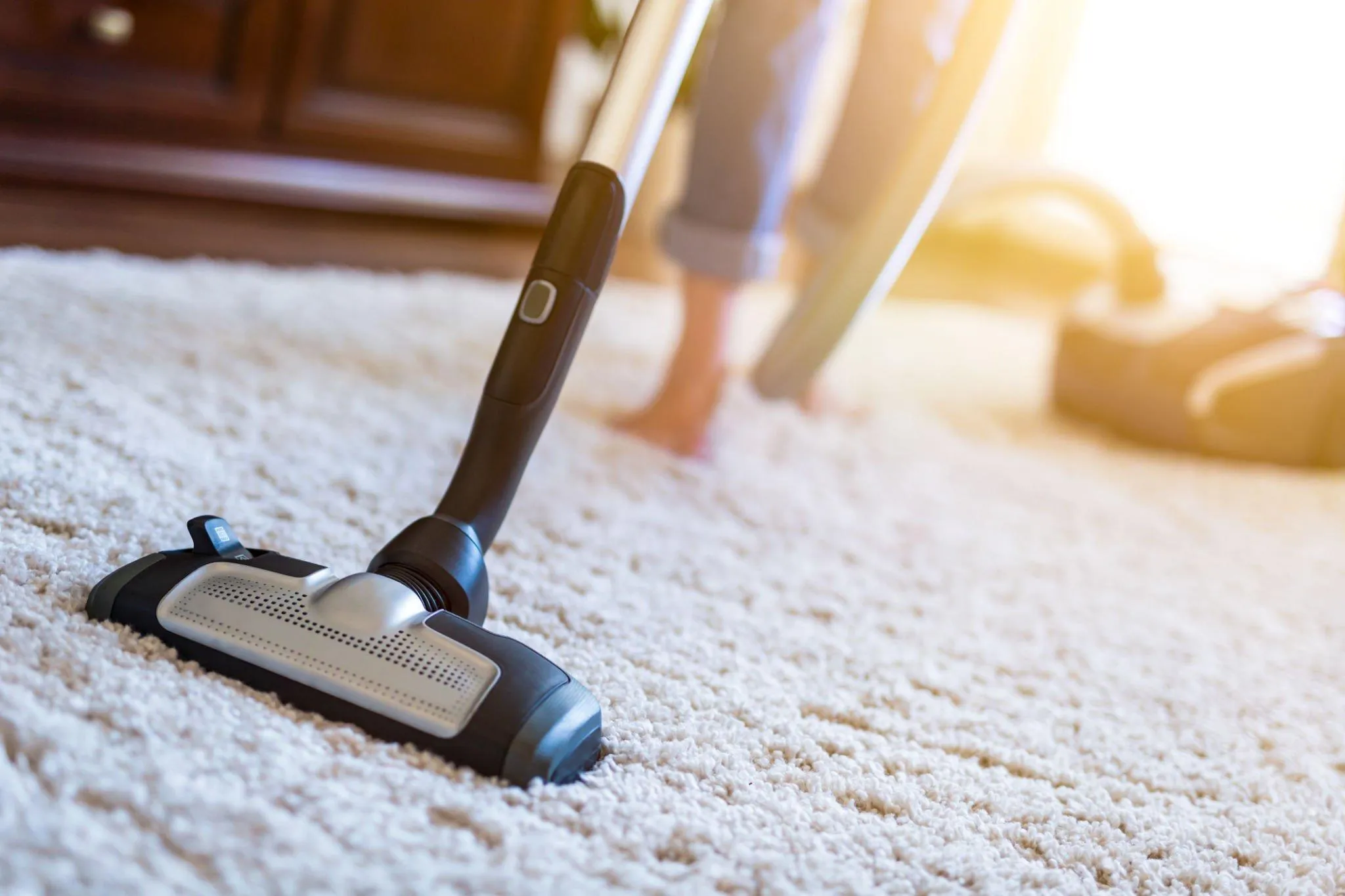
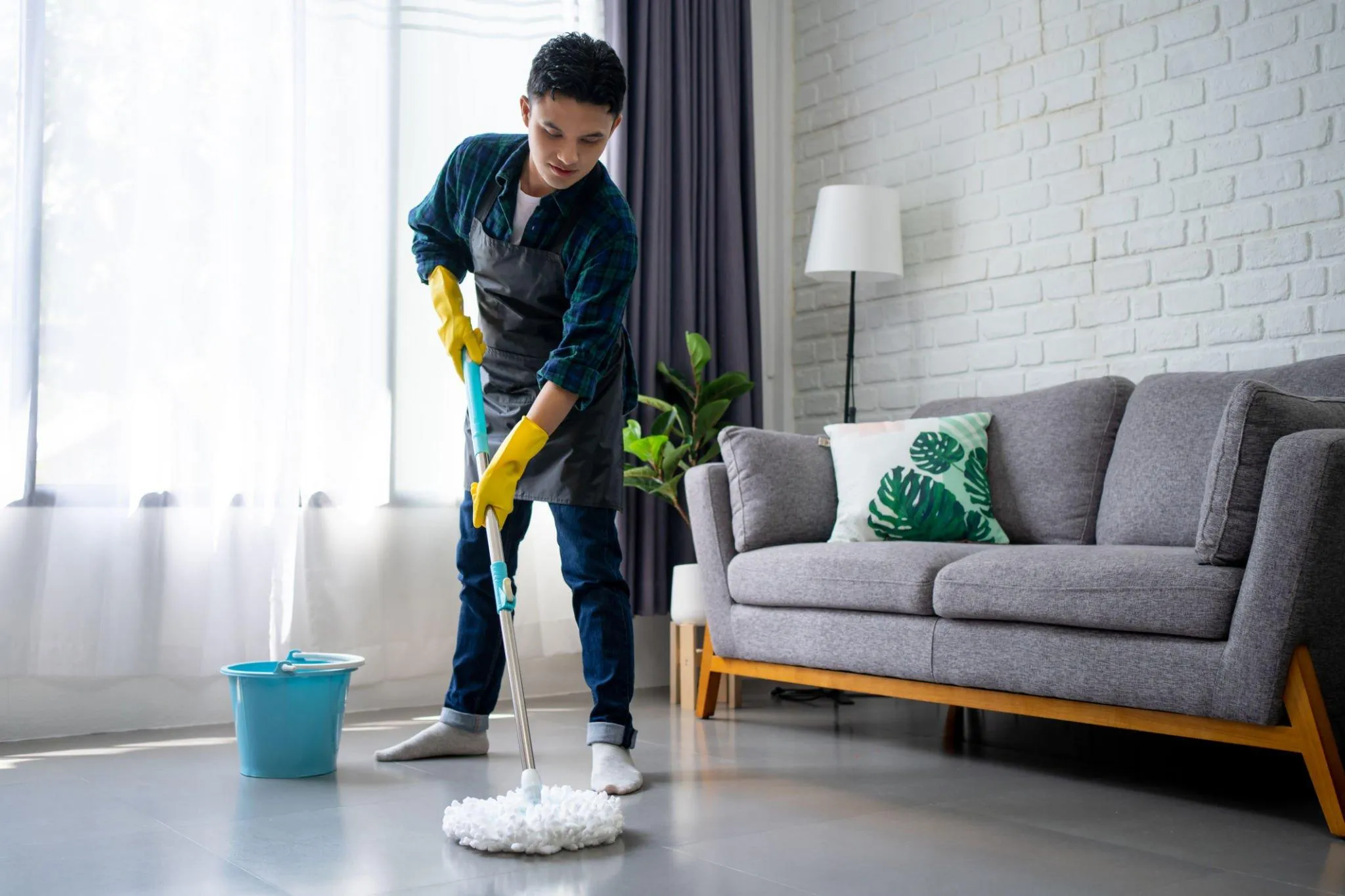
- Floors: vacuumed with HEPA-grade filtration, then damp mopped, with carpet run under a beater bar to pull dust out of the pile.
If the sanding ran through more than one room, we clean all of them. Drywall dust never stays where it was made.
The Reason It Keeps Coming Back for Weeks
Joint compound dust is milled finer than flour. It is light enough to hang in the air for hours after anything disturbs it, and small enough to slip through a standard vacuum filter and blow back out the exhaust. That is why a room you cleaned last night wears a fresh grey film by morning. The dust never left; it was in the air, and it came back down.
The bigger problem is the ductwork. Every return pulls dusty air toward the filter, and the finest particles ride past it into the ducts, where the blower spreads them back through the house each time the system runs. Leave the returns loaded and you will chase the same dust for weeks, which is why the vents are part of every job.
A broom and a dry cloth only make it worse, breaking the settled dust loose and putting it back into the air, so clearing it for good takes equipment that captures the fine particles instead of stirring them.
Why a Damp Cloth Beats a Feather Duster
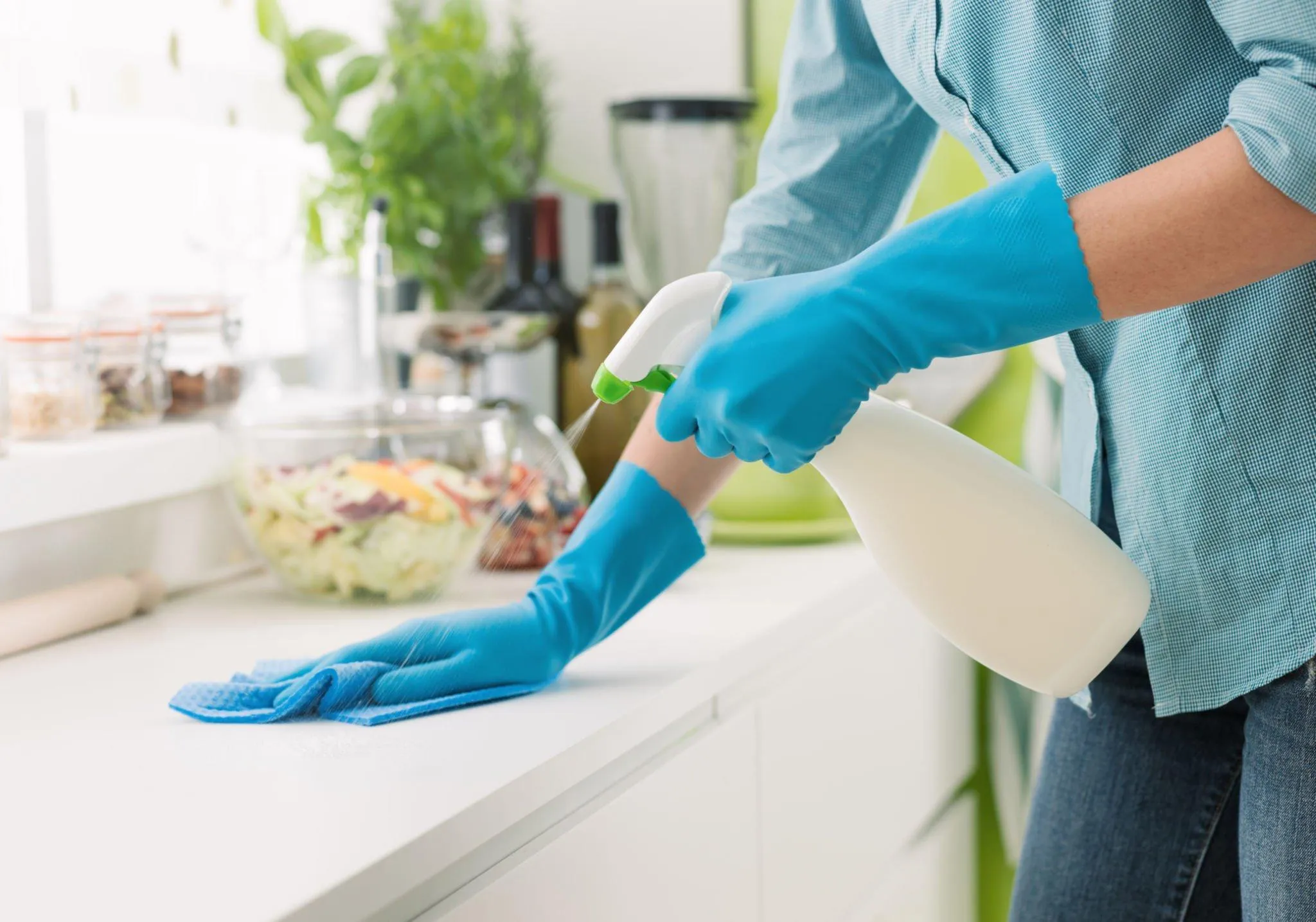
The whole job comes down to trapping the dust, not moving it. We rely on sealed HEPA filtration fine enough to catch even the respirable drywall dust that ordinary vacuums miss, so what goes in stays in. A shop vac or house vacuum grabs the crumbs you see and puffs the rest back into the room.
Then the wiping is damp, never dry. A dry duster or a paper towel skates the fine dust around and floats half of it back up, while a damp microfiber cloth catches the particles and holds them. We work every surface from the top of the room down, because dust falls and cleaning the floor before the walls just means doing it twice.
Protecting Electronics, Screens, and Dark Finishes
Drywall dust is hard on the things a finished room fills up with, and a few surfaces show it worst. We work to leave them clean and unharmed, not just dust free:
- Electronics and screens: TVs, computers, and speakers pull dust in through their vents, so anything left in the room gets a soft brush and a vacuum, not a wet cloth.
- Dark and glossy finishes: matte cabinets, dark stone, and glass show every speck, so they get an extra damp pass and a look in raking light before we call them done.
- Surfaces that scratch: compound dust is gritty, so dragged across hardwood or stone it can dull the finish. We lift it off, not push it around.
- The system stays off: we ask that the heating and cooling run off during the first pass, so it is not pulling captured dust back into the ducts.
The finished room should read as finished, with nothing dulled, scratched, or filmed over.
1,000+
Projects Completed
100%
Locally Owned
5.0
Star Rated
10
Team Members
Drywall Dust From Nashville's Building Boom, in New Walls and Old
Nashville is building at a pace a smaller market never sees, and drywall dust runs through all of it. New subdivisions are still filling in around Una and Bellshire, and the newer streets on Neely's Bend keep adding houses, every one hung, taped, and sanded into a cloud of fine powder before the trim goes on. A metro turning over this many new walls turns out this much dust.
The older side of town makes its own version. The Victorians and infill around Chestnut Hill and the late century homes near Priest Lake are being reworked room by room, and an older house gives up more than drywall dust when you open it: plaster ground into the mix and decades of grit shaken loose inside the walls, so the powder comes off coarser than a new build alone.
Middle Tennessee weather works against you either way. Summer humidity makes the dust cling to trim and glass instead of drifting off, and running the air conditioning through a July build pulls that fine powder into the returns and filter, where it waits to blow back out.
The Passes That Finally Clear It, and Why Floors Come Last
One pass will not get it all. As we vacuum the walls, a share of the finest powder lifts back into the air and settles again on surfaces we already cleaned. The fix is a second pass a day or two later, once the air has settled and the system has pushed the last of it to the returns we re clean.
On whole house and new construction work we often add a third pass in the trim grooves and crown molding, where dust packs into corners a single wipe misses. Floors come last, cleaned only after everything above has been cleared, so the mop is not fighting a ceiling that is still shedding. When we leave, the room is done.
When to Schedule It, and Where It Fits the Build
Drywall dust removal lands at a specific point in the job, after the sanding and before the finishes that dust would ruin:
- After the last sanding: wait until all sanding is done and let the air settle for a day, so we catch the dust in the first pass instead of chasing what still floats.
- Before paint and flooring: dust on trim and walls keeps paint from bonding, and grit under new flooring gets locked in, so the clean comes before those trades return.
- With the system off: have the heating and cooling switched off before we start, and we will say when it is safe to run again.
- Around your schedule: tell us when the next trade needs the space or the family moves back, and we work to it, with same week bookings on most Nashville jobs.
Drywall dust removal is usually one stage of a larger job. If your project ran through every trade and is heading for handoff, the full post-construction clean we run before move in folds this in with the rest, and for an occupied remodel where the family stayed put, our renovation cleanup for a lived in home is the better fit. Not sure which yours needs? Tell us what was done and we will point you to the right construction cleanup we handle across Nashville. The crew carries general liability and workers' compensation coverage on every job, with a certificate of insurance on request for your records; call (629) 235-5910.
Drywall Dust Removal FAQs
Why does drywall dust keep coming back after I wipe it down?
Because it is finer than household dust and light enough to stay airborne for hours. A standard vacuum blows the smallest particles back into the room, and your vents hold more that recirculates whenever the system runs. We capture it with sealed HEPA filtration and clean the vents.
Can I just use a shop vac or my own vacuum?
Both pick up the dust you can see and push the finest particles back into the air through the filter. Drywall dust is small enough to pass through standard filtration, which is why HEPA rated equipment is what makes the difference.
Do you clean the vents and returns the dust got into?
Yes, and it is an important step. We pull the registers, vacuum them and the duct opening as far as the hose reaches, and wipe the covers before replacing them. Leaving the returns loaded is the main reason dust keeps coming back. Full duct cleaning is a separate service.
Can drywall dust damage hardwood, counters, or electronics?
It can. The dust is gritty, so dragged across hardwood or stone it can scratch the finish, and it works into electronics through their vents. We lift it off rather than grind it in, and give dark, glossy surfaces an extra pass.
Should this happen before or after painting?
Before. Dust left on trim and walls keeps paint from bonding, and a finish laid over it can fail. Drywall dust removal belongs after the sanding is done and before the painters and flooring crews return.
Do I need to be there while you work?
No. Leave access instructions and we will handle it, then let you know when we are finished and whether a second pass is worth scheduling once the dust settles.

Let's Get Started Today!
How The Process Works
 01
01 Book Your Cleaning
Tell us about your space, pick your preferred date, and we'll get your assigned crew on the schedule. No contracts, no obligations: just a clear quote and a confirmed time slot.
 02
02 We Handle the Cleaning
Our experienced and trustworthy cleaning professionals will arrive at your space or site, equipped with all the necessary cleaning supplies and equipment. Cleaning every nook and cranny, leaving your space clean and refreshed.
 03
03 We Let You Know When We're Done
Once the cleaning is complete, we'll text you to confirm the visit is done, so you know the job is finished and can enjoy your clean environment.