
Drywall Dust Removal in Hendersonville, TN
You finished the drywall work and the room looks great: until you touch a surface and realize everything is coated in fine white powder. It's in the vents, on the trim, behind the outlet covers, and settled into every crack.
Drywall dust doesn't clean up with a regular vacuum and a rag. It's too fine. Standard equipment pushes it into the air instead of capturing it, and it resettles within hours. We remove drywall dust from homes and commercial spaces in Hendersonville using HEPA filtration and multi-pass cleaning. This is part of our construction site cleaning service and broader cleaning services in Hendersonville.
Book Now!What's Included
Every drywall dust removal follows the same sequence:
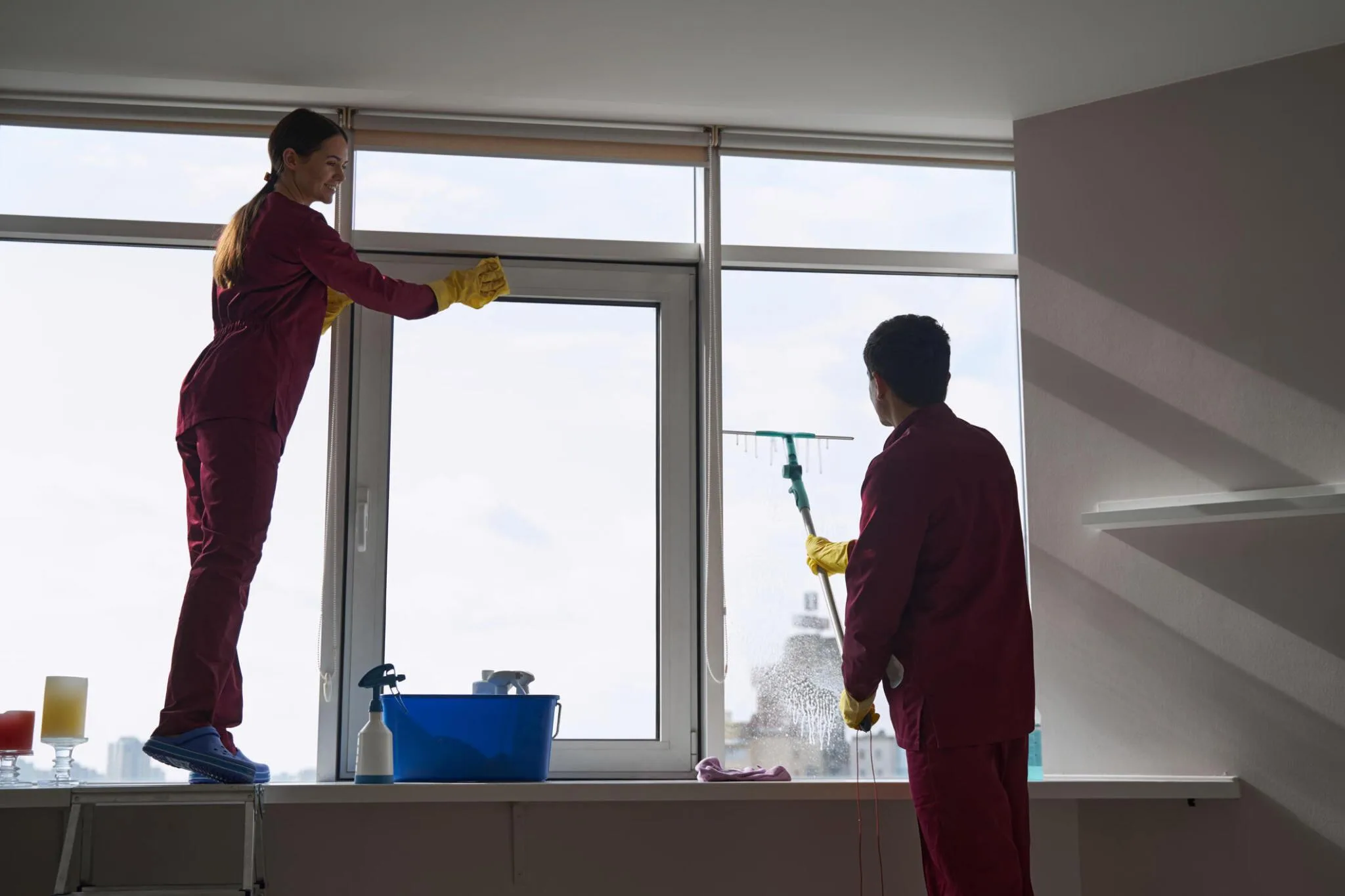
- HEPA vacuum all surfaces: Walls, ceilings, trim, window frames, door frames, baseboards. Top to bottom so dust falls onto uncleaned surfaces below.
- Damp-wipe all horizontal surfaces: Counters, shelves, sills, ledges, fixture tops. Microfiber traps particles instead of spreading them.
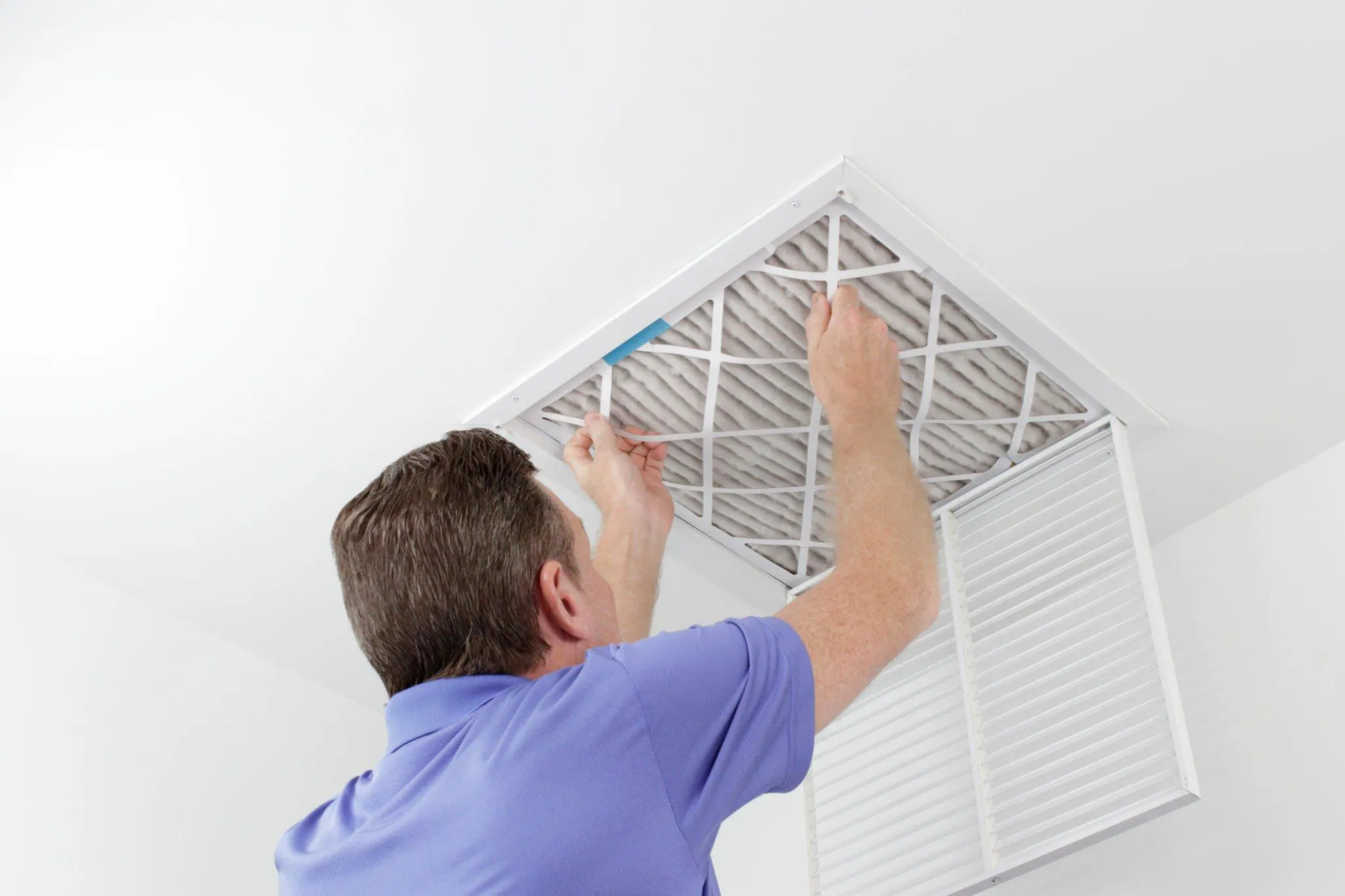
- Air vents and returns: Registers removed, vacuumed, wiped. The ductwork opening gets vacuumed as far as the hose reaches.
- Light fixtures and ceiling fans: Globes removed and cleaned, fan blades wiped, housings vacuumed.
- Floors: HEPA vacuumed, then damp-mopped. Carpet gets HEPA-vacuumed with a beater bar attachment.
- Outlets and switch plates: Covers removed, dust vacuumed from the box, covers wiped and replaced.
If the project involved sanding in multiple rooms, we clean every room: dust doesn't stay where it was made. Whether it is a new build going up in Durham Farms or a remodel in one of the older homes off Walton Ferry Road, the fine white powder settles into the same places, and we clear it out of all of them.
Why Drywall Dust Needs Professional Removal
Drywall compound dust is finer than normal household dust. The particles are small enough to pass through standard vacuum filters and stay airborne for hours after you disturb them. That's why you can vacuum a room and find a new layer of dust the next morning.
The real problems:
- HVAC contamination: Dust enters the return vents and coats the inside of your ductwork. Every time the system runs, it redistributes dust throughout the house. If you don't clean the vents and registers during removal, you'll be fighting dust for weeks.
- Surface damage: Drywall dust is calcium sulfate. Left on hardwood, it scratches when walked on. Left on stone counters, it can scratch or dull the finish. Left on appliance finishes, it dulls them.
- Repainting problems: Dust on trim and walls prevents paint adhesion. If the next trade paints over dust, the finish fails.
A regular cleaning service won't solve this. It requires HEPA-rated equipment and a specific removal sequence.
How Long It Takes
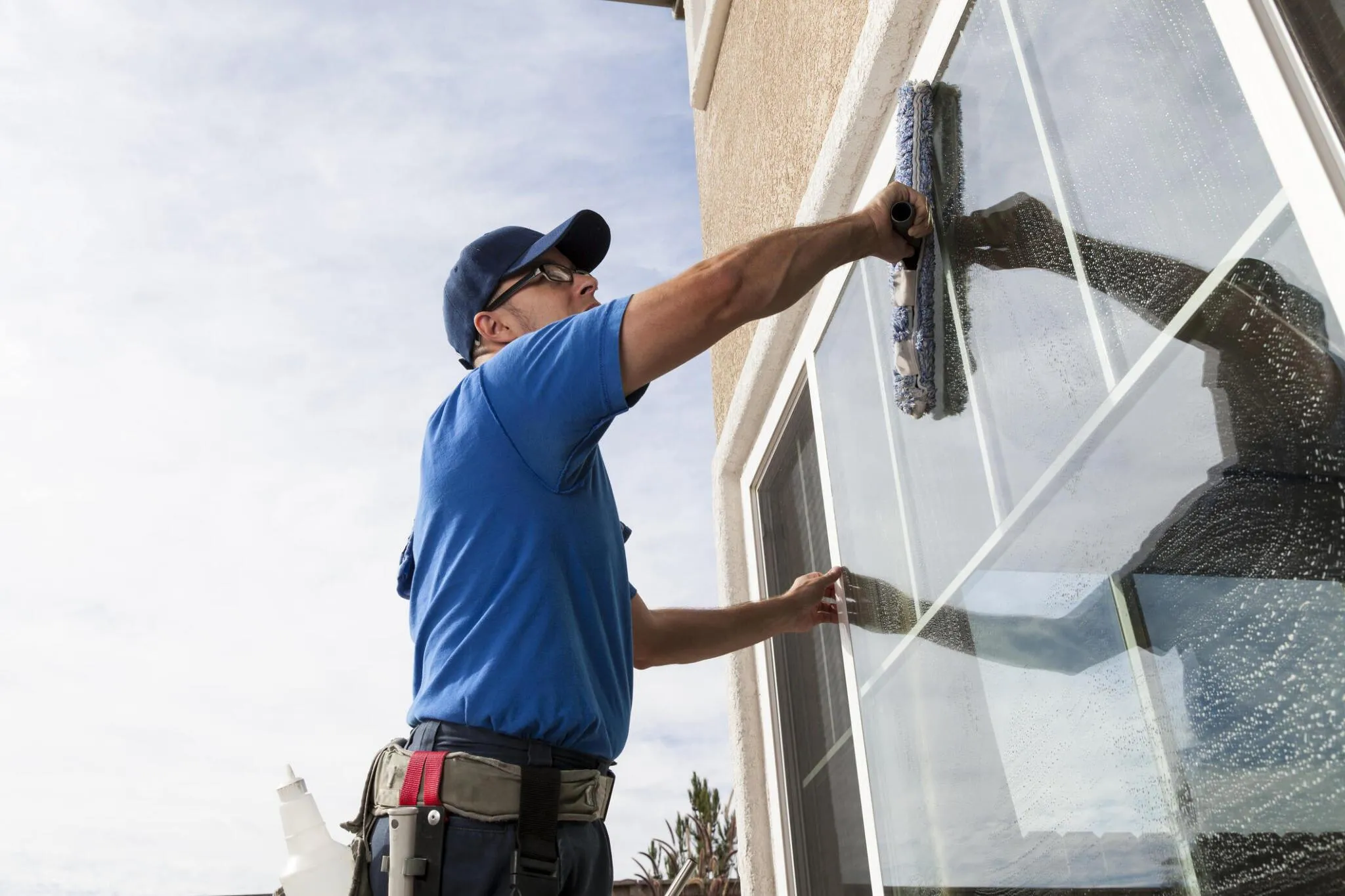
It depends on how many rooms were affected and how much sanding was done:
- Single room (bathroom remodel, bedroom patch): 2 to 4 hours
- Multiple rooms (kitchen and living area renovation): 4 to 6 hours
- Whole house (full renovation or new construction): 6 to 10 hours, sometimes split across two visits
We usually split whole-house jobs into two visits 24 to 48 hours apart. The first pass removes the bulk. Dust that was airborne during the first pass settles overnight, and the second pass catches it. Trying to do it all in one shot means you're guaranteed to find dust the next day.
Commercial spaces scale based on square footage and ceiling height. A 3,000 sq ft office along Gallatin Road with standard ceilings takes 6 to 8 hours.
Equipment and Process
This job calls for filtration built for fine dust, not a household vacuum:
- Sealed HEPA filtration: Captures the fine particles that a standard shop vac blows straight through its filter and back into the air.
- Microfiber cloths: Damp microfiber traps dust on contact. Cotton rags and paper towels push it around.
- Extension wands and crevice tools: For vents, ceiling corners, light fixtures, and behind outlet covers.
The process always goes top-to-bottom:
- Ceilings and upper walls: HEPA vacuumed
- Trim, frames, and fixtures: vacuumed then damp-wiped
- Horizontal surfaces: damp-wiped with clean cloths (we rotate constantly)
- Vents and registers: removed, vacuumed, wiped, replaced
- Floors: HEPA vacuumed, then damp-mopped or re-vacuumed for carpet
Top-to-bottom matters because dust falls. Cleaning floors first means they're dirty again by the time you finish the walls.
1,000+
Projects Completed
100%
Locally Owned
4.9
Star Rated
10
Team Members
Preparing Your Property
A few things help us work faster and protect your stuff:
- Cover or remove furniture and electronics: Anything in the affected rooms that can't be moved should be covered with plastic sheeting. We clean around it, but covered items stay cleaner.
- Clear pathways: We need room to maneuver vacuum hoses and extension wands. Moving boxes and stacked materials out of the way saves time.
- Turn off HVAC: During the first pass, the system should be off so it doesn't recirculate dust we're trying to capture. We'll tell you when it's safe to turn back on.
- Finish all sanding first: If a drywaller is still sanding in one room while we clean another, we're wasting your money. All sanding needs to be complete before we start.
Let your contractor know the cleaning is scheduled so trades aren't working in the space during removal.
Why We Do Multiple Passes
One pass won't get it all. Here's why: Drywall dust is so fine that a percentage stays suspended in the air during cleaning. As you HEPA-vacuum the walls, micro-particles float up and drift. Some settle on surfaces you already cleaned. Some enter the HVAC system before you get to the vents. Some land on the floor after you've mopped.
The only reliable solution is a second pass 24 to 48 hours later. By then, airborne particles have settled and the HVAC has cycled enough to push remaining dust to the returns (which we re-clean).
For whole-house renovations or new construction, we sometimes do a third pass in high-detail areas: trim work, crown molding, window casings: where dust collects in grooves and corners that are hard to reach in a single wipe.
This is what separates professional renovation cleanup from a homeowner attempt. You can vacuum all day, but without the multi-pass approach and HEPA-grade filtration, the dust just moves around.

Drywall Dust vs. Other Construction Cleanup
Drywall dust removal is one piece of the broader post-construction cleaning process. Where it fits:
- Drywall dust removal: Focused specifically on fine dust from joint compound sanding. HEPA equipment required. Usually needed after drywall work but before painting or flooring.
- Phase cleans: Rough, light, and final cleaning between construction trades. Drywall dust removal often happens as part of a phase clean between drywall and paint.
- Final deep cleans: The last cleaning before occupancy. Covers everything: dust, debris, adhesive, stickers, windows, floors. Drywall dust should already be handled before this stage.
- Debris removal handles physical waste like lumber, drywall scraps, and packaging. Different service from dust removal.
If your project involved drywall and other trades, you likely need drywall dust removal first, then a final deep clean before move-in. The crew that handles it is insured, and we carry general liability and workers' compensation coverage, with a certificate of insurance available to your builder on request at (629) 265-8189.
Frequently Asked Questions
How long after sanding should I schedule dust removal?
Wait 24 to 48 hours after the last sanding so airborne particles settle. Hendersonville's humidity actually helps here: damp air pulls the finest dust down onto surfaces faster, so by the time we arrive there is less floating and we capture more in the first pass instead of chasing dust that is still in the air.
Can I just use my own vacuum?
A standard vacuum: even a shop vac: doesn't have fine enough filtration. It picks up visible dust but blows the finest particles back into the air. HEPA filtration is required for effective drywall dust removal.
Will you clean the HVAC vents?
Yes. We remove vent covers, vacuum the registers and the visible ductwork opening, wipe the covers, and replace them. Full duct cleaning is a separate service. We handle the accessible portions.
Do I need to be home?
No. Provide access instructions and we'll handle it. We'll contact you when we're finished and let you know if a second pass is recommended.
How much does it cost?
Pricing depends on the number of rooms, square footage, and how much sanding was done. Call (629) 265-8189 and we'll give you a quote based on your project.
What if dust comes back after you clean?
Some resettling is normal in the first 24 to 48 hours: that's why we recommend the second pass. If you see significant dust after our second visit, we come back and address it.
Let's Get Started Today!
How The Process Works
 01
01 Book Your Cleaning
Tell us about your space, pick your preferred date, and we'll get your assigned crew on the schedule. No contracts, no obligations: just a clear quote and a confirmed time slot.
 02
02 We Handle the Cleaning
Our experienced and trustworthy cleaning professionals will arrive at your space or site, equipped with all the necessary cleaning supplies and equipment. Cleaning every nook and cranny, leaving your space clean and refreshed.
 03
03 We Let You Know When We're Done
Once the cleaning is complete, we'll text you to confirm the visit is done, so you know the job is finished and can enjoy your clean environment.